Overview
Curated abstract when available.
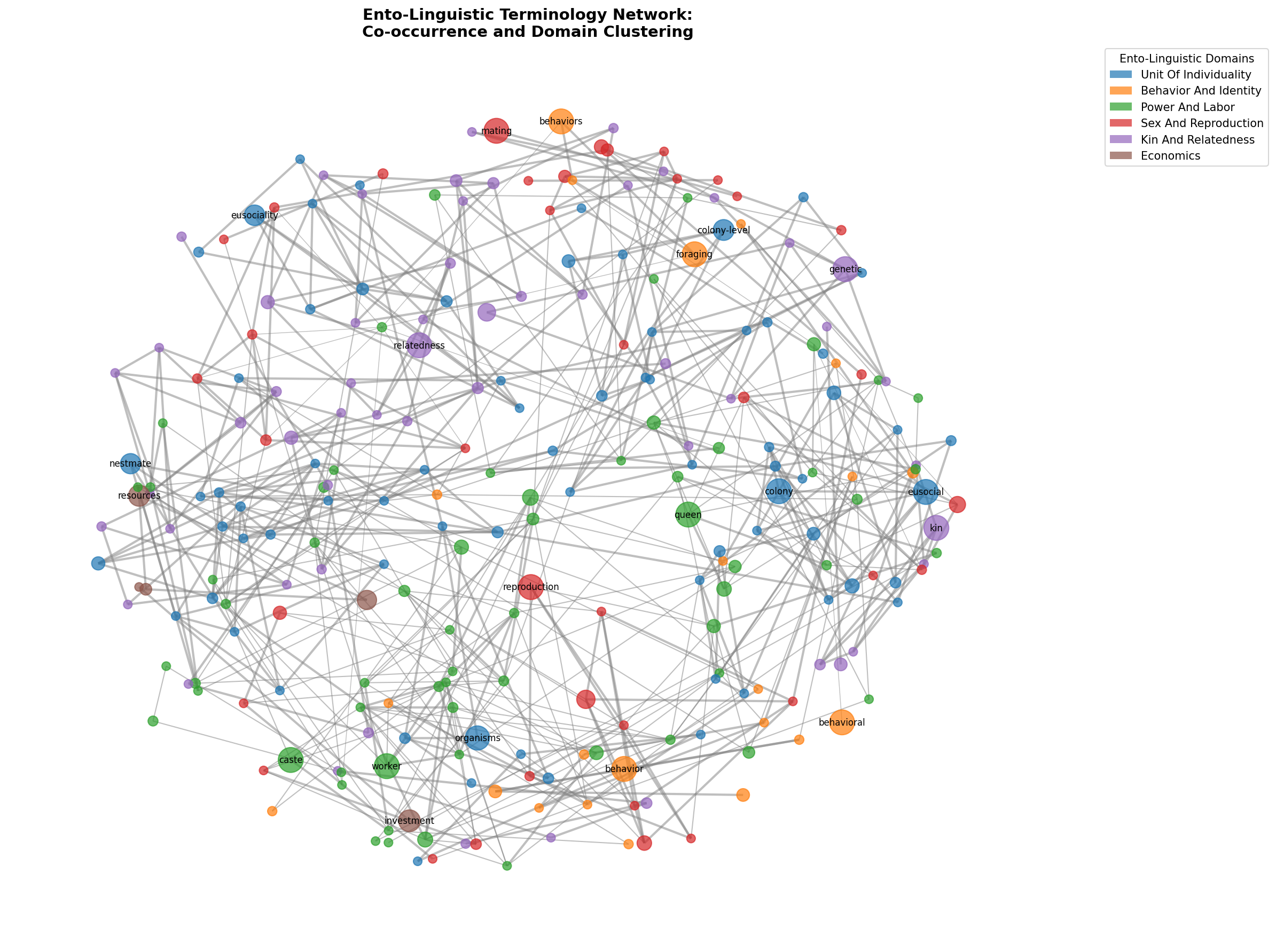
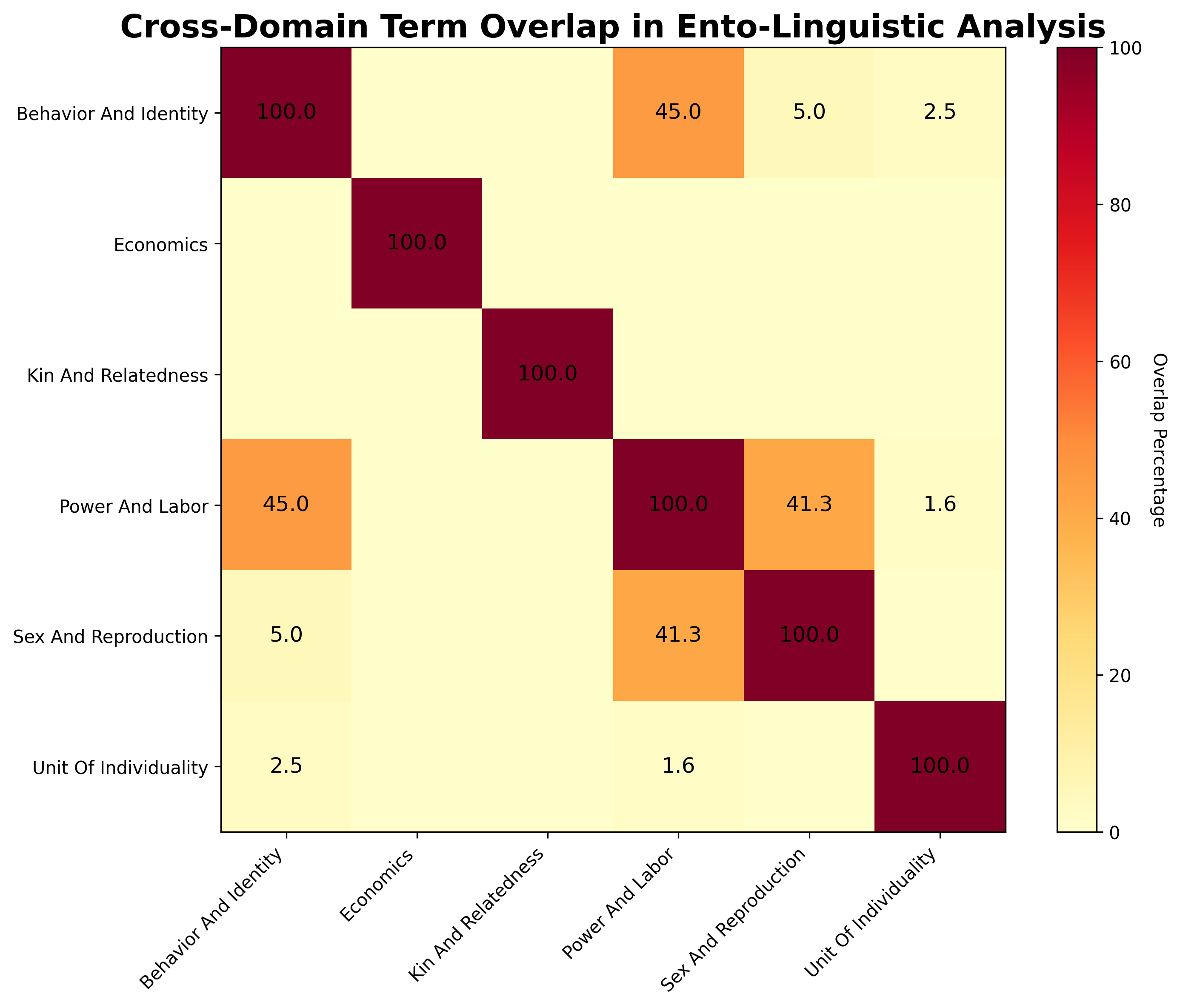
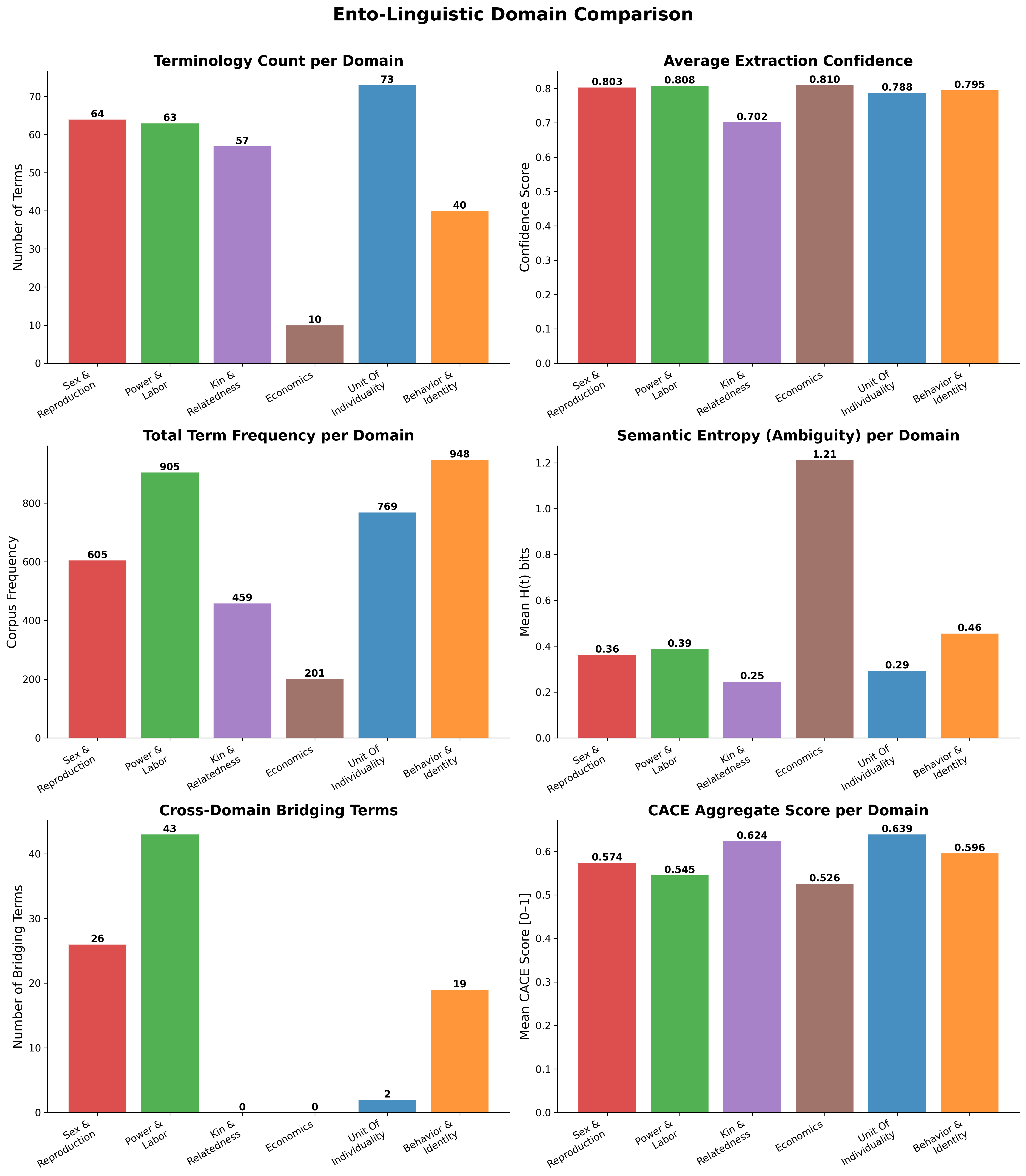
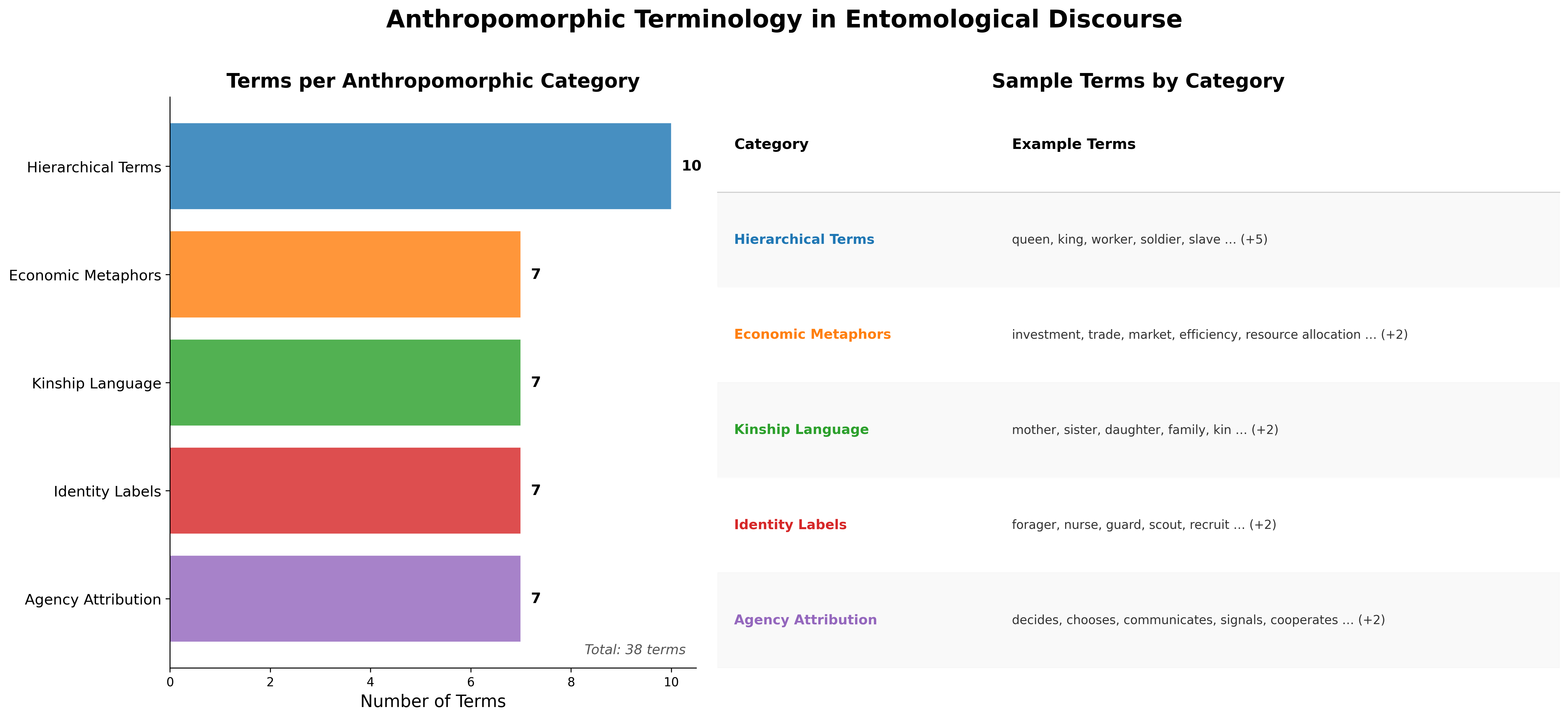
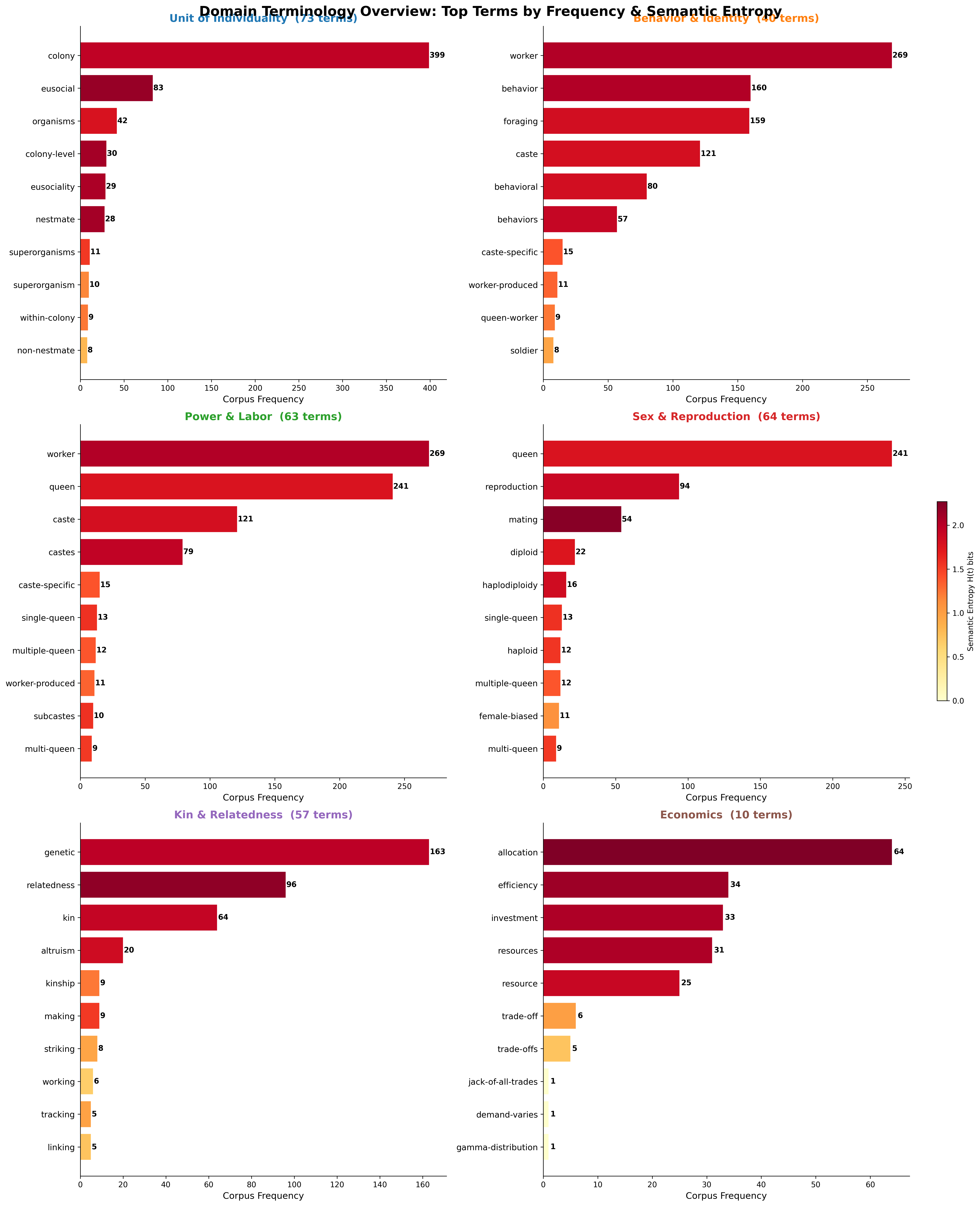
Scientific language does not merely describe biological phenomena; it actively constitutes the generative models through which researchers parse complex systems. This paper makes three core contributions to understanding—and correcting—the epistemic consequences of this constitutive role. First, we introduce a six-domain Ento-Linguistic framework that decomposes the terminological landscape of insect research into analytically tractable themes, isolating domains where anthropomorphic language most severely distorts causal modeling. Second, we develop an open-source computational pipeline that integrates automated term extraction, co-occurrence network construction, and information-theoretic ambiguity scoring with principles from Active Inference and Complex Systems Theory. Third, we propose and validate four evidence-based meta-standards—Clarity, Appropriateness, Consistency, and Evolvability (CACE)—as a formalized protocol for lexical engineering. Analysis of a corpus encompassing 369 entomological publications (48787 tokens; 7105 unique token types; Type–Token Ratio 0.1456) extracts 888 candidate terms (with 261 assigned to specific semantic domains across 6 conceptual clusters linked by 9 weighted relationships). The resulting terminology networks display strong modularity alongside systematic cross-domain bridging—most prominently in the Power and Labor domain, where 43 bridging terms generate extensive semantic bleed-over into adjacent domains. Terms such as “queen” (241 occurrences), “worker” (269), and “caste” (121) implicitly impose hierarchical control topologies onto biological structures that are fundamentally stigmergic and decentralized. Across all 261 domain-assigned terms, 16.9% exhibit context-dependent semantic drift, demonstrating how conceptual constructs like “individuality” span multiple biological scales and consequently blur the formal systemic boundaries (Markov Blankets) required for mathematically rigorous modeling. The accompanying fully reproducible computational pipeline provides the quantitative analytical tools necessary for a more self-aware and epistemically rigorous scientific practice. All code and data are available at https://github.com/docxology/ento_linguistics.
Overview source: Curated paper metadata.
Artifacts
Tracked documentation and PDFs served directly from this folder.
README AGENTS SKILL Metadata Extracted text Citation metadata
- Ento_Linguistics_DAF_TCC_v1_04-15-2026.pdf 5,889,924 bytes · extracted-text source
Extracted Images (11) — GitHub +5 more