Primary Work PageFriedman2026CognitiveDiagramsReviewingCategorical112
DOI / Source10.5281/zenodo.19695259
Folderpapers/2026_CognitiveCaseDiagrams/
Overview
Extracted from the local README when available.
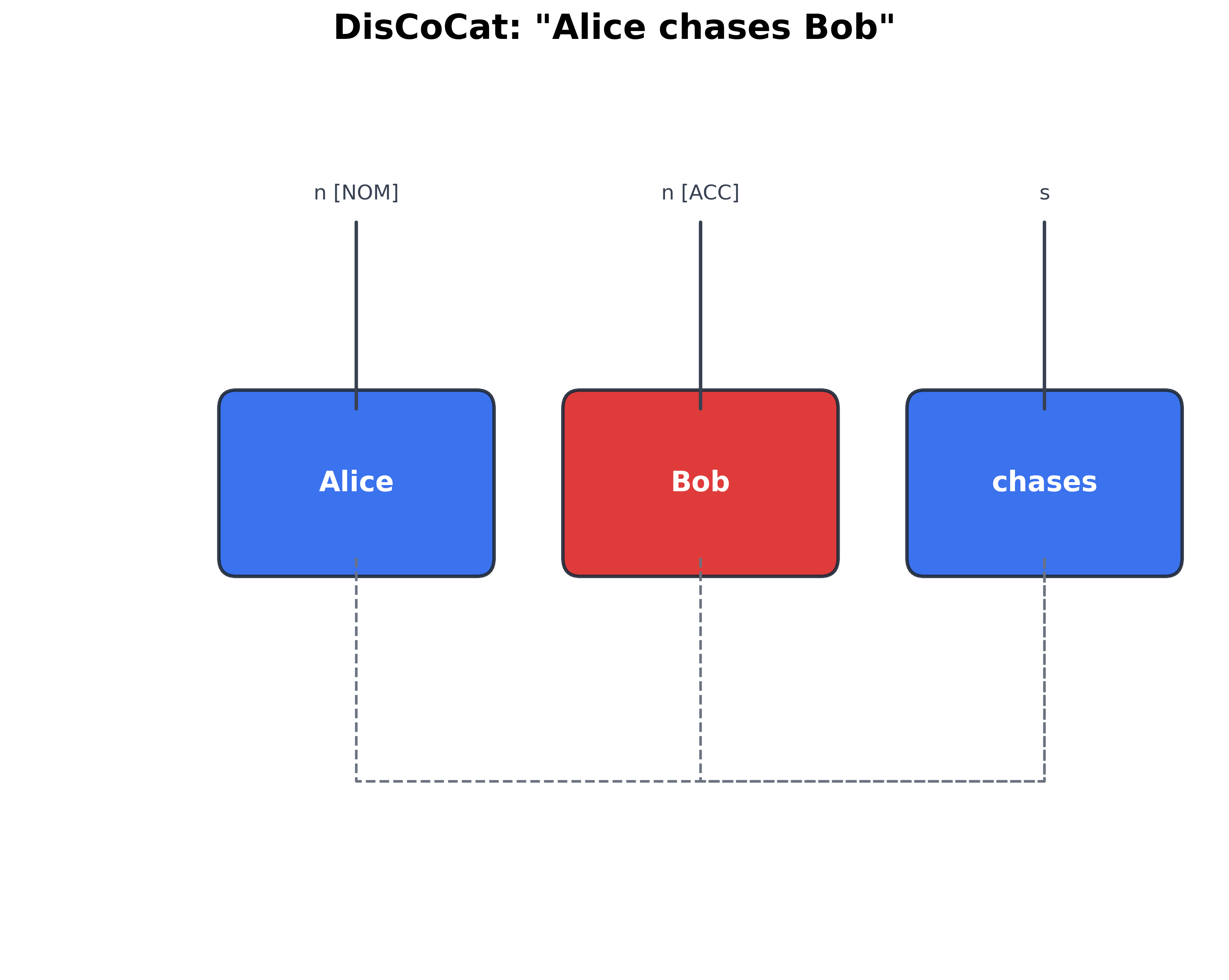
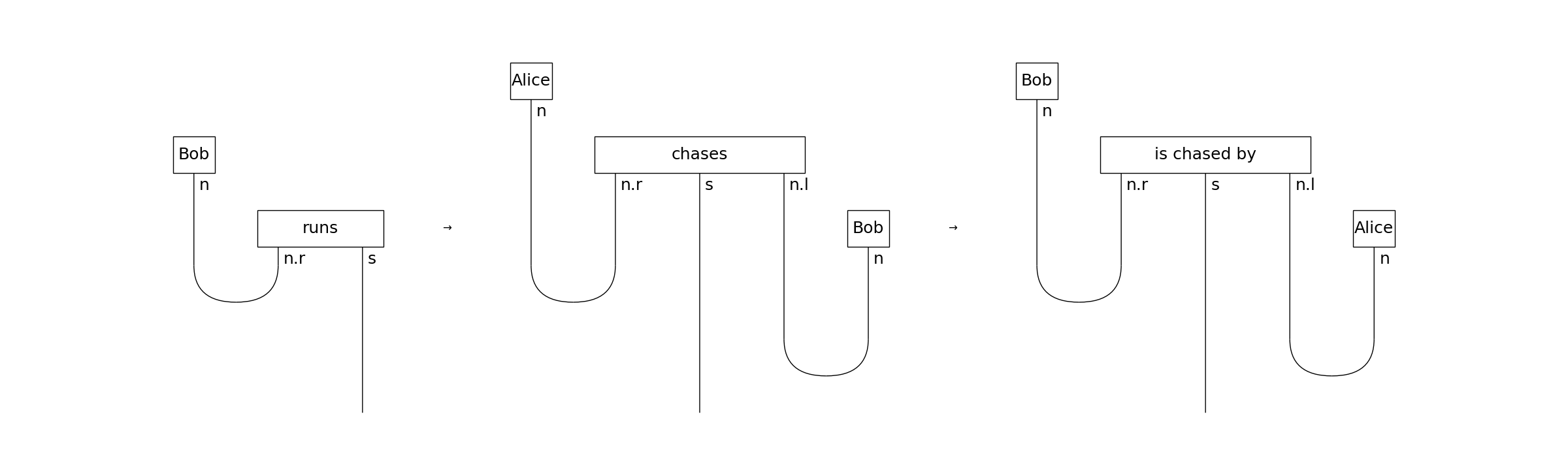
Linguistic case offers a setting in which to examine how diagrams connect relational structure, compositional syntax, and uncertainty. This article reviews categorical approaches and supplies an executable collection of deliberately small examples. The implementation includes case-role graphs, pregroup derivations, tensor contractions, synthetic similarity matrices, Bayesian filtering, quantile...
Artifacts
Tracked documentation and PDFs served directly from this folder.
PDF Files
- cognitive_case_diagrams-2.6.0.pdf 15,237,745 bytes
- cognitive_case_diagrams_v1_DAF_04-23-2026.pdf 13,601,721 bytes
Extracted Content
Extracted Images (30) — GitHub +24 more