Overview
Curated abstract when available.
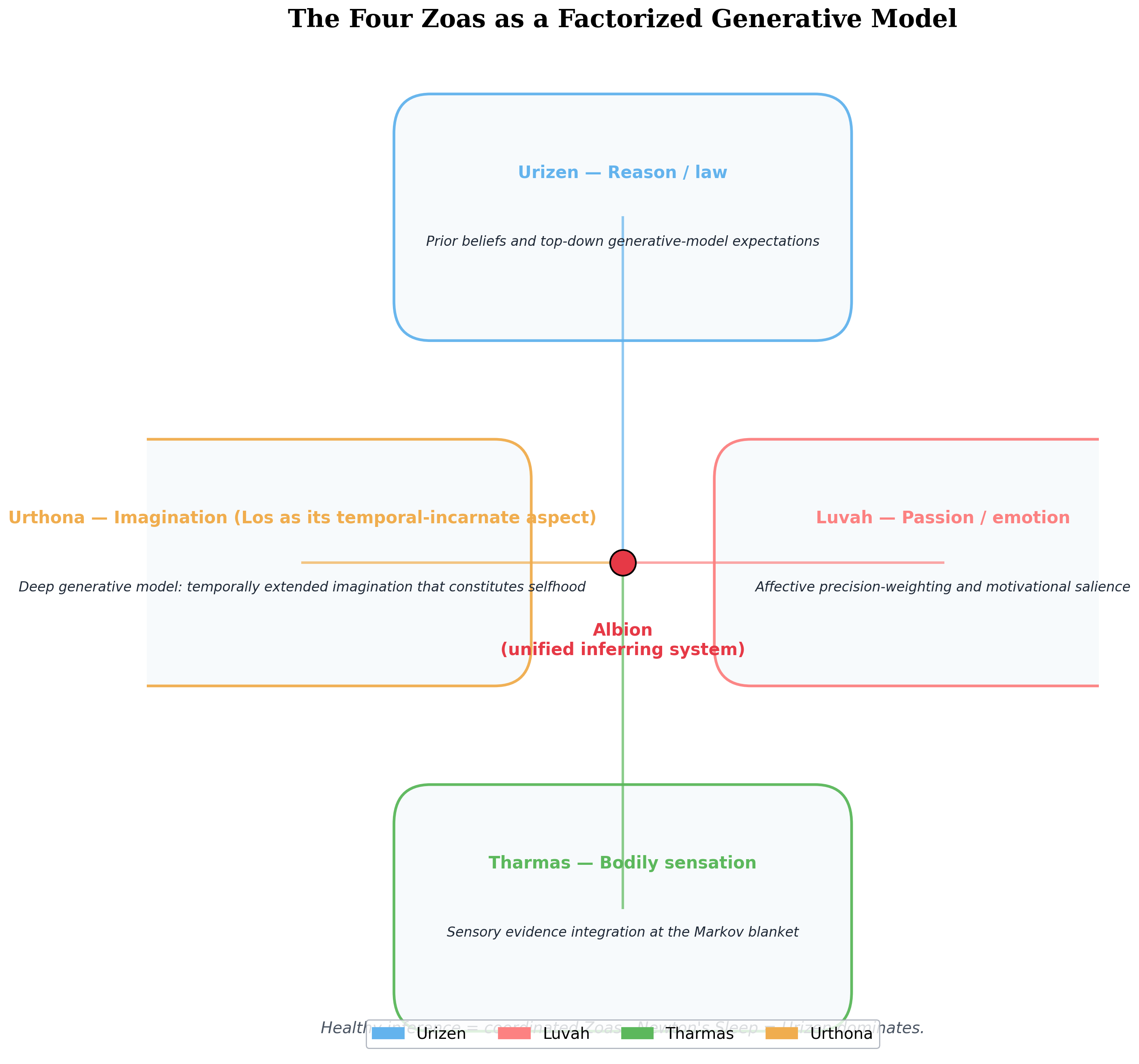
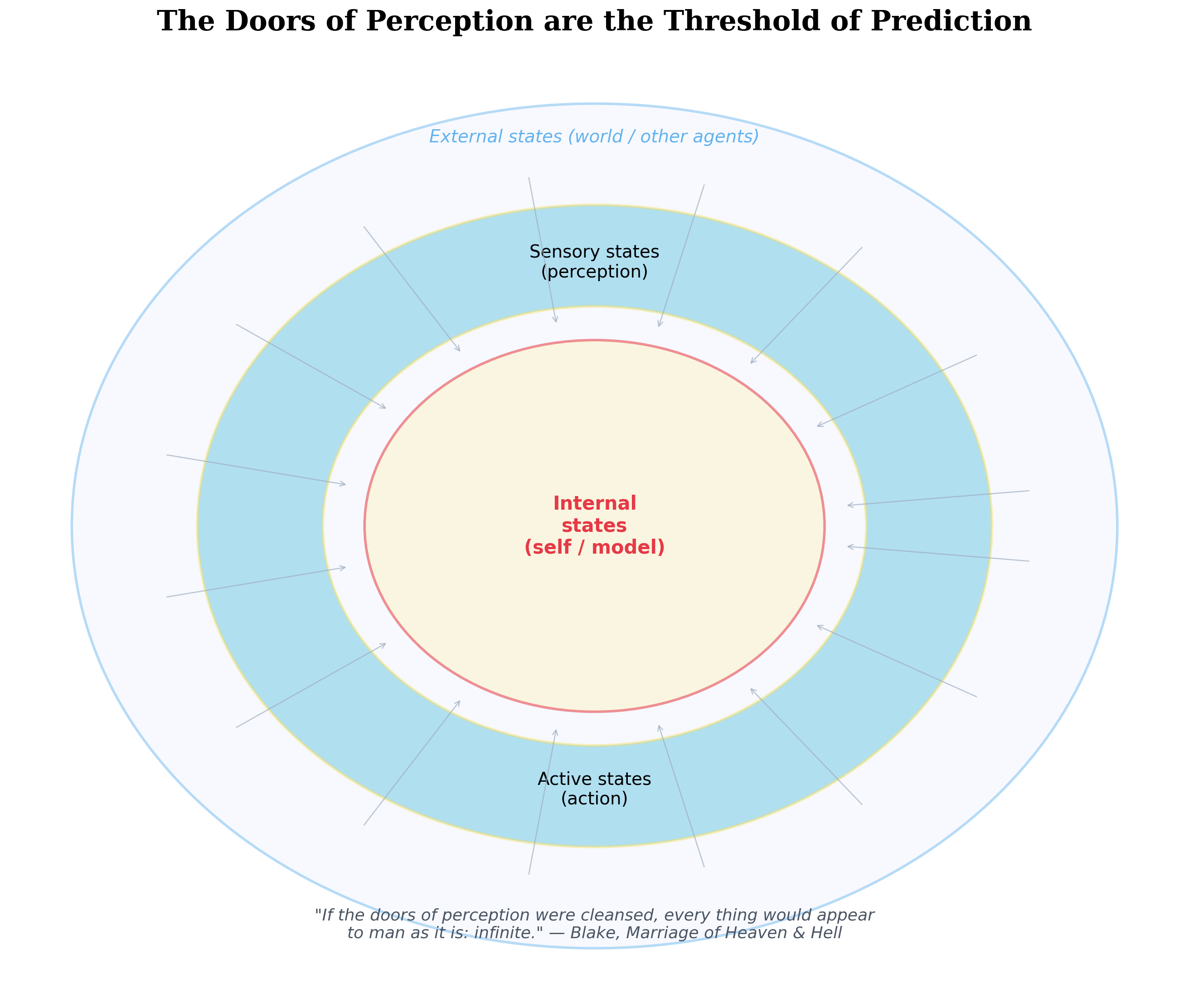
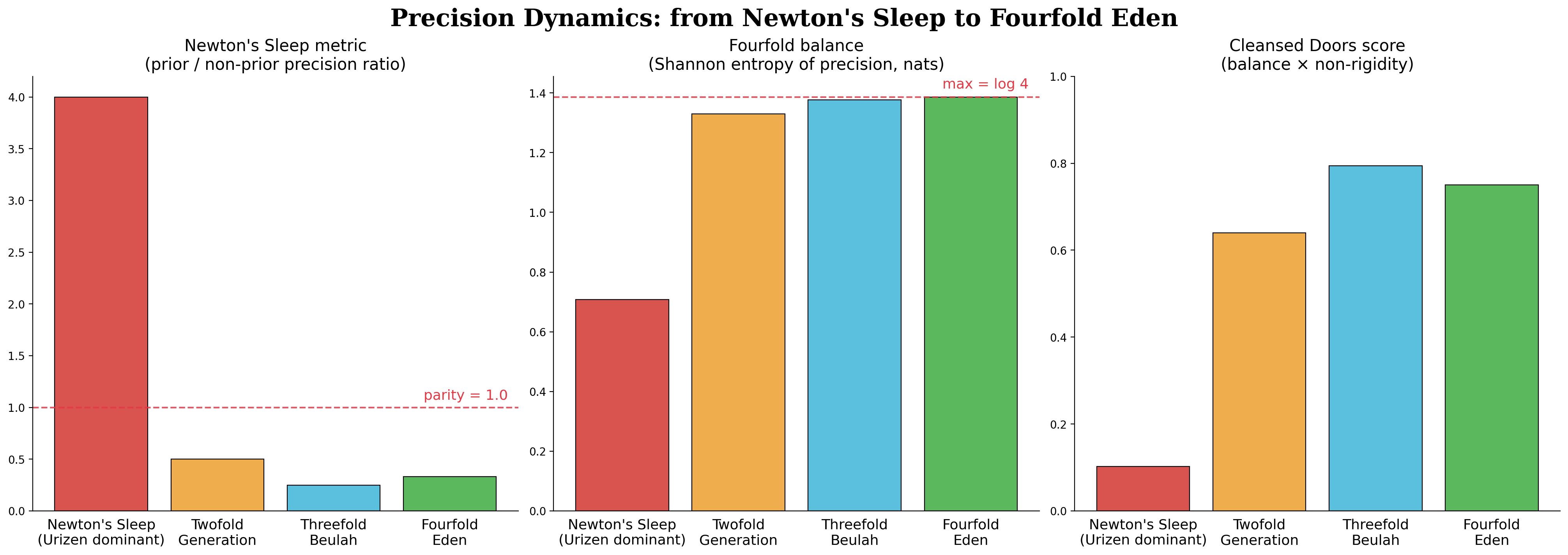
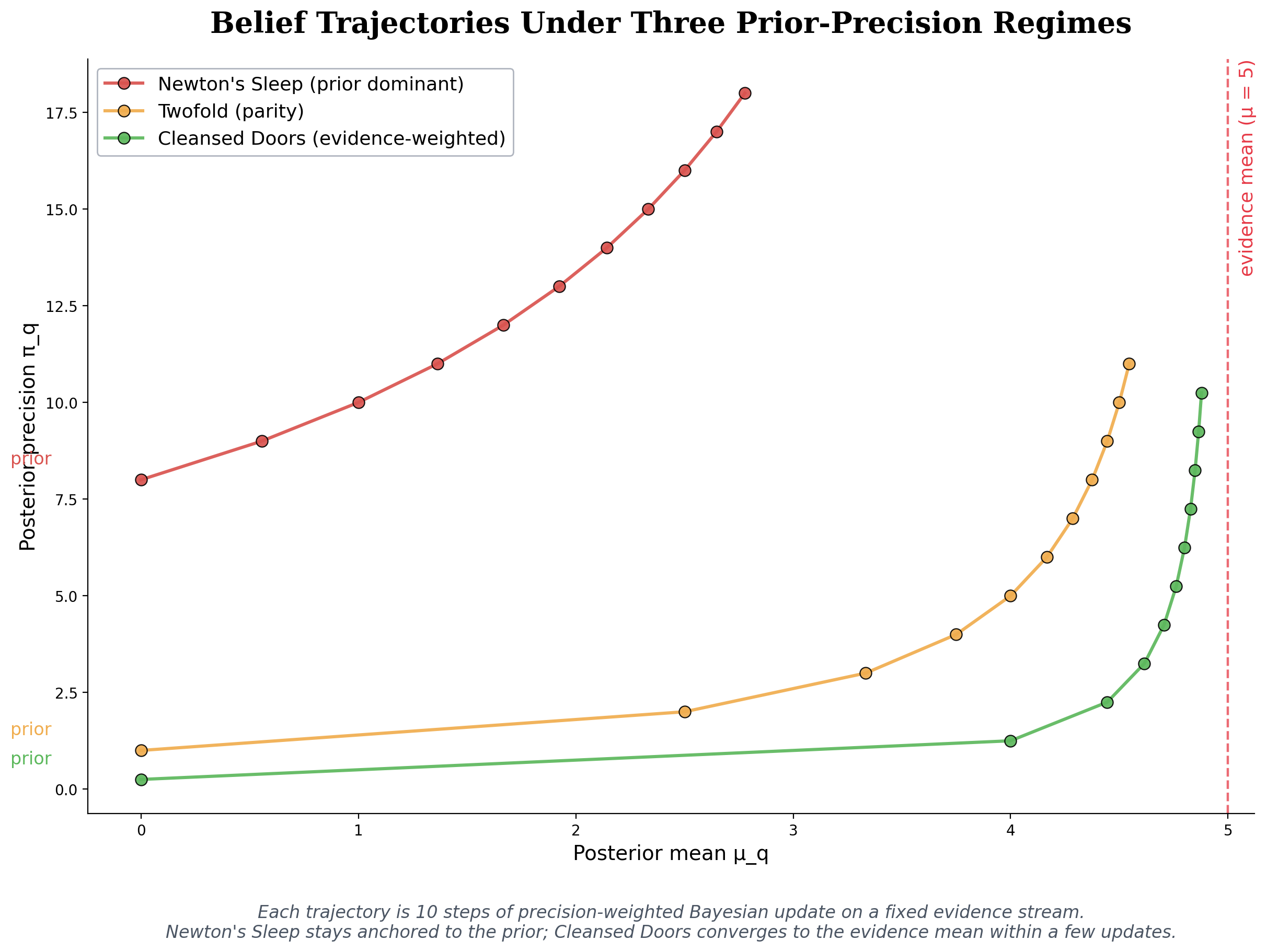
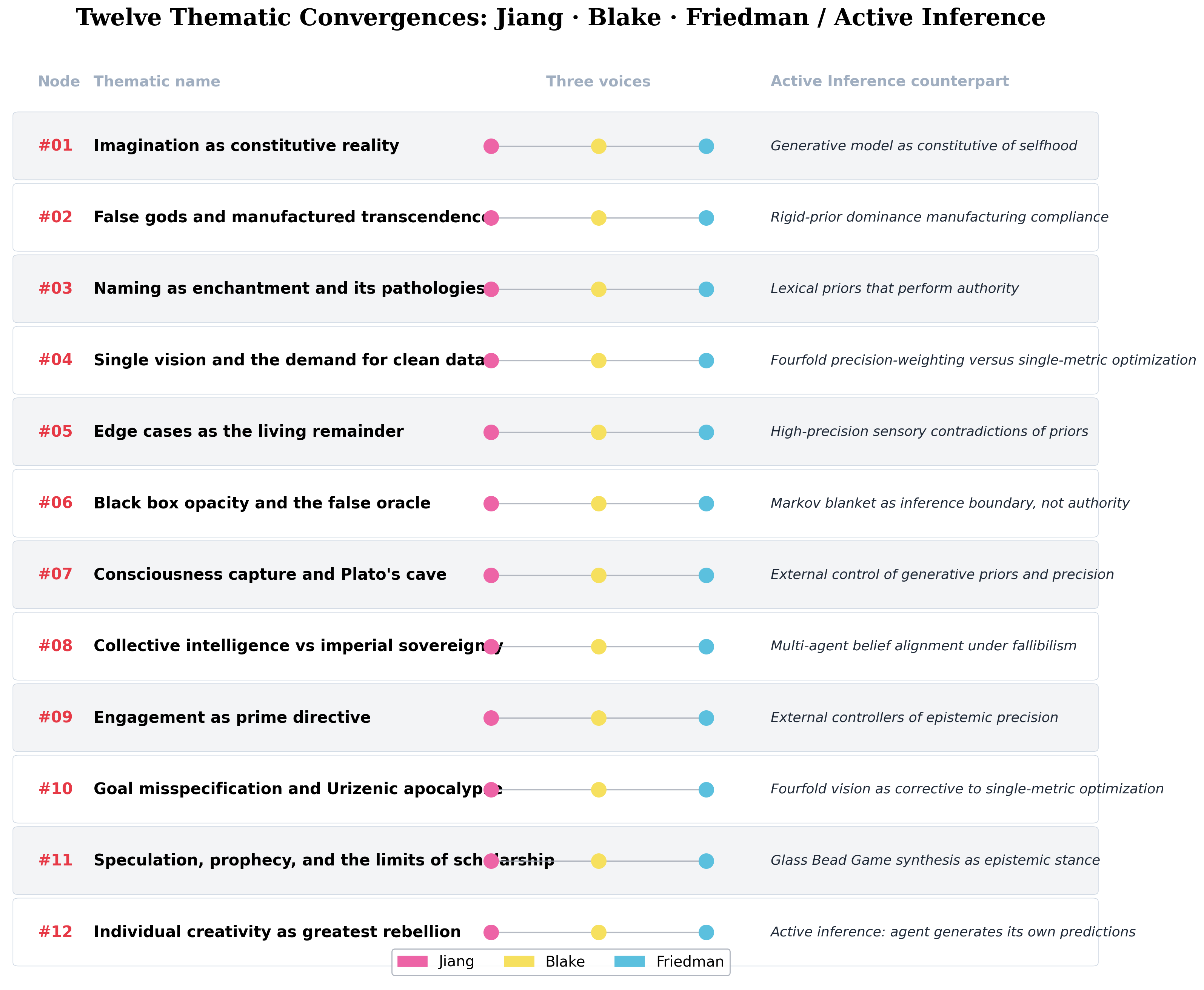
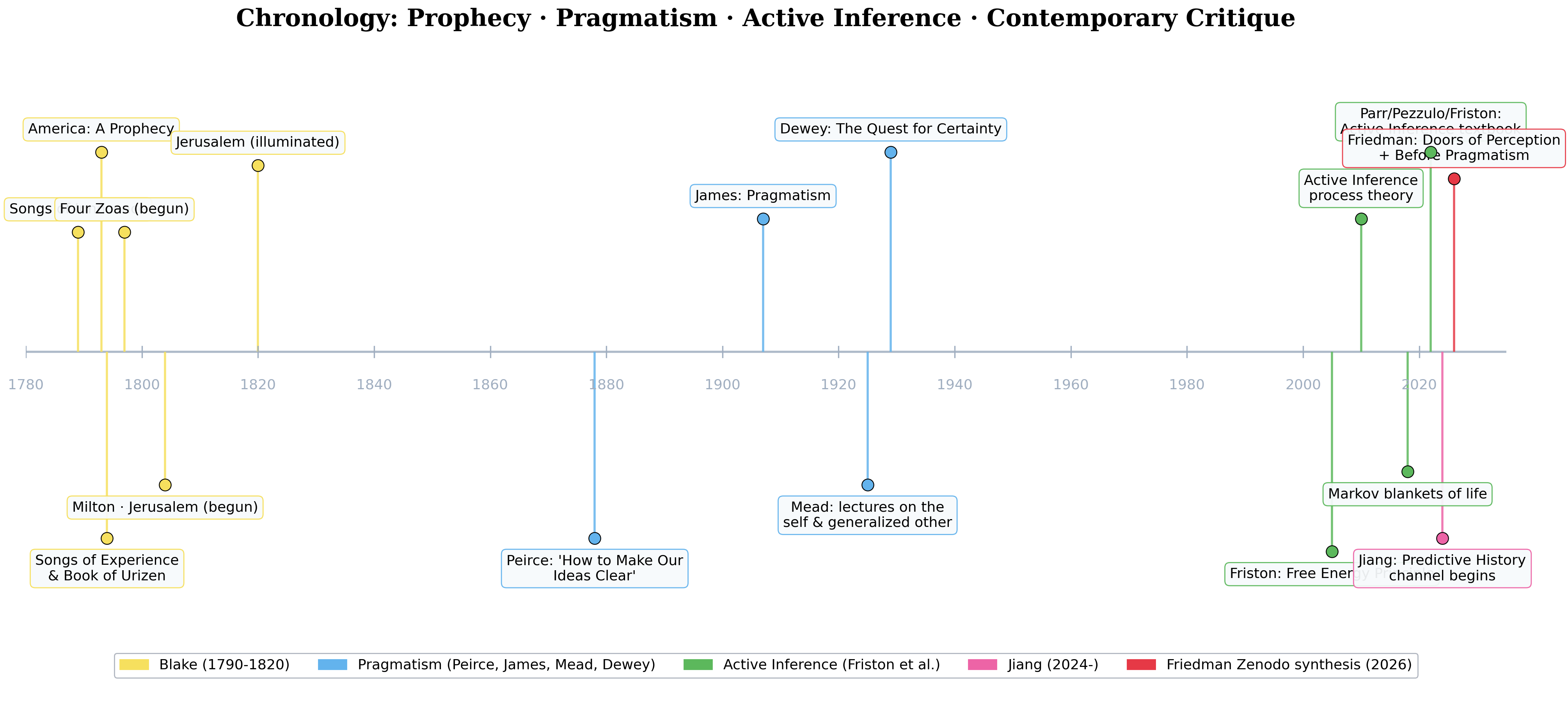
This rapid-publication essay synthesizes three intellectual frameworks examining cognitive closure. The author analyzes Professor Jiang Xueqin's commentary on artificial intelligence through William Blake's late-18th-century perceptual analysis and Active Inference terminology. The core convergence identified is closure of the perceiving system around its own top-down expectations, which Blake termed Newton's Sleep, Jiang calls consciousness capture, and Active Inference designates as pathological prior dominance. The work maps Jiang's concepts, including persuasion machinery, data sanitization, edge-case suppression, and engagement directives, onto Blake's cosmological schema and Active Inference's generative models.
Overview source: Curated paper metadata.
Artifacts
Tracked documentation and PDFs served directly from this folder.
README AGENTS SKILL Metadata Extracted text Citation metadata
- blake_jiang_DAF_v1_05-12-2026.pdf 2,476,314 bytes · extracted-text source
Extracted Images (7) — GitHub +1 more